
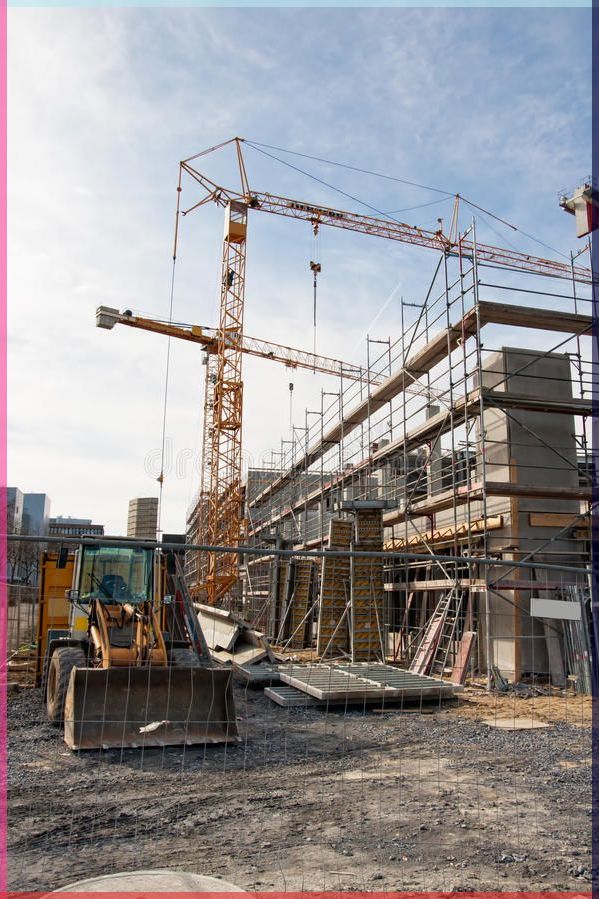
Whether you are building a home, a commercial property, or infrastructure, the materials you choose affect the cost, the timeline, and how much maintenance you face later. In Qatar’s climate especially, the suitability and durability of construction materials shape the stability, safety, and lifespan of what you build. Here are ten things worth checking before you buy.
In this article
Why material choice matters in Qatar
Qatar’s hot summers, high humidity, and coastal salt are hard on building materials. The wrong choice does not just look worn; it can corrode, crack, or fail, which means repairs and risk down the line. Choosing materials that suit the climate and meet the right standards is one of the cheapest ways to protect a project’s quality over its whole life. It also pays to remember that material performance is tied to ground conditions, which is where geotechnical advice on aggressive soils and groundwater is worth having before you specify concrete and steel.
Ten things to check before you buy
- Quality standards. Confirm materials meet the Qatar Construction Specifications (QCS) and relevant international certifications, so they are both compliant and fit for the local climate.
- Climate suitability. Materials need to handle heat, humidity, and salt. Metals should resist corrosion; concrete and stone should be specified for high temperatures.
- Supplier credibility. A reliable supplier matters as much as the material. Look for a track record of on-time, consistent delivery and proper after-sales support.
- Price versus quality. The cheapest option often costs more later in repairs. Balance budget against durability rather than buying on price alone.
- Sustainability. Recycled concrete, responsibly sourced timber, and reused steel reduce environmental impact and support Qatar’s green goals.
- Supply and lead times. Late deliveries stall a project. Check stock availability and delivery schedules before ordering, especially on large jobs.
- Material compatibility. Make sure materials work together. Mismatches can cause chemical reactions, weakness, or structural problems.
- Maintenance needs. Some materials need regular sealing, painting, or cleaning. Factor that ongoing effort and cost into the decision.
- Warranty and returns. Good suppliers back materials with warranties and clear return terms in case of defects or wrong deliveries.
- Future availability. Choose materials you can still source later, so extensions or repairs match the original in quality and appearance.
The cheapest material on the invoice is often the most expensive one on the maintenance schedule.
The bottom line
Choosing the best construction materials in Qatar is about more than comparing prices. Weighing quality, climate suitability, supplier reliability, and sustainability is what makes a project last. Get those right and the building rewards you for years; get them wrong and you pay for it in repairs. If you want help specifying materials suited to the local climate and ground, our team can point you in the right direction.