
Qatar is building quickly, from villas and towers to major infrastructure, and almost every project starts with a step that is easy to skip and expensive to ignore. Soil testing tells you whether the ground can carry what you intend to put on it. However strong a building’s design is, its safety depends on the stability of the ground beneath it, which is why soil testing in Qatar belongs at the very start of a project.
In this article
What a soil test is and why it matters
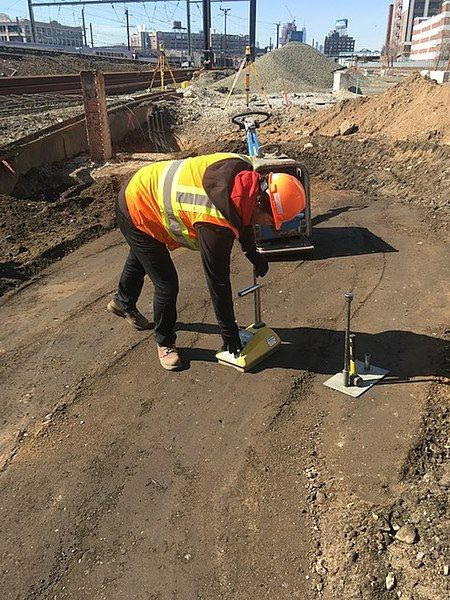
A soil test assesses the quality, strength, and stability of the ground before construction begins. It tells an engineer whether the land can support the planned structure and what type of foundation it needs. That single answer shapes the design, the cost, and the long-term safety of the building. In a country where ground conditions shift from one plot to the next, testing is the only reliable way to know what you are dealing with rather than guessing from a neighbouring site.
Why Qatar’s ground makes it non-negotiable
Qatar’s ground is less uniform than a flat, sandy site suggests. Coastal and low-lying areas around Doha often have a high water table, which complicates excavation and basements. Salt-rich sabkha near the coast is weak and holds aggressive groundwater. Many areas sit on limestone and gypsum-bearing ground, and gypsum can dissolve and create voids over time. The groundwater frequently carries sulphates and chlorides that attack concrete and steel. None of this is visible from the surface, so without testing it stays hidden until it becomes a problem.
What happens if you skip it
Skipping testing tends to surface later as the most expensive kind of problem. Weak or unstable ground that goes unchecked shows up as:
- Foundation cracks
- Uneven settlement of the structure
- General structural instability
- Higher repair costs
- Project delays while the fix is worked out
A straightforward soil investigation at the outset prevents nearly all of these, at a fraction of the cost of fixing them once the building is up.
The ground decides the foundation. Testing is how you find out before the concrete is poured, not after.
What soil testing involves
Modern soil testing is more than taking a sample. It is part of a wider geotechnical investigation that usually includes borehole drilling to recover soil from depth, laboratory analysis of strength, moisture, and chemistry, an assessment of ground and groundwater conditions, and a site investigation report an engineer can design from. The chemical results matter in Qatar, because the sulphate and chloride levels decide which cement and protection the foundation needs. Our geotechnical services are built around producing that clear, usable report rather than a stack of raw figures.
Where it applies in Qatar
Soil testing earns its place on essentially every kind of project:
- Residential buildings
- Commercial construction
- Road and infrastructure works
- Industrial projects
- Land development
Whether it is a single villa or a major infrastructure scheme, soil testing in Qatar makes sure construction starts on a foundation you can trust. In a fast-moving market where precision and safety matter, it is the first step in building something that lasts. With expert support from Compass Surveying and Geotechnical, projects begin with dependable data and solid ground under them.