
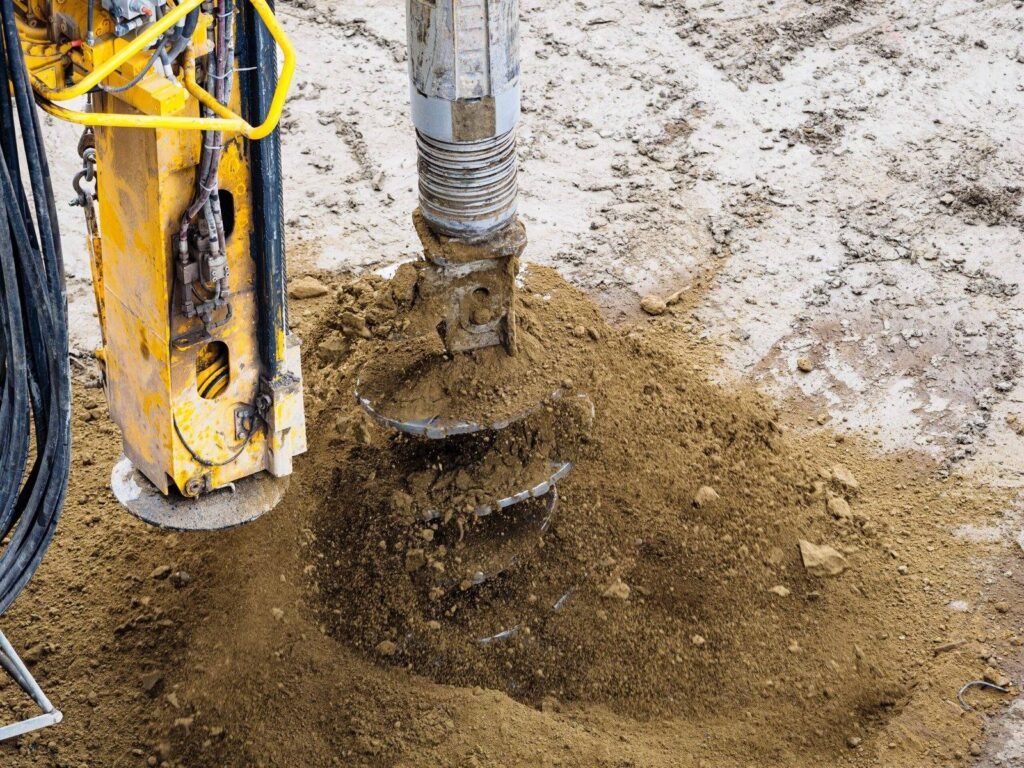
The cheapest line item on a project is the one that stops you from pouring a foundation into ground that will not hold it. Geotechnical investigation tends to get treated as a box to tick before the real work starts. On a Qatar site, that is a mistake. The ground here behaves in ways that punish assumptions, and the cost of finding out late is measured in months, not days.
In this article
For reference, this is the case for treating geotechnical investigation services as core work rather than a formality. What follows is what a serious soil investigation actually looks at, and why skipping or thinning it out is a false economy.
What is actually under a Qatar site
Large stretches of Qatar’s coast and low-lying inland areas sit on sabkha, a salt-rich flat that is weak, compressible, and aggressive to concrete. Groundwater is often shallow, sometimes within a metre or two of the surface, and it carries sulphates and chlorides that attack ordinary cement and corrode reinforcement. The bedrock is largely limestone, which can hide cavities and karst features that no one sees from ground level. None of this shows up on a site walkover. A plot that looks identical to the one next door can have a very different profile a few metres down. That variability is the whole reason investigation exists. You are buying knowledge of a specific piece of ground, not a generic regional assumption.
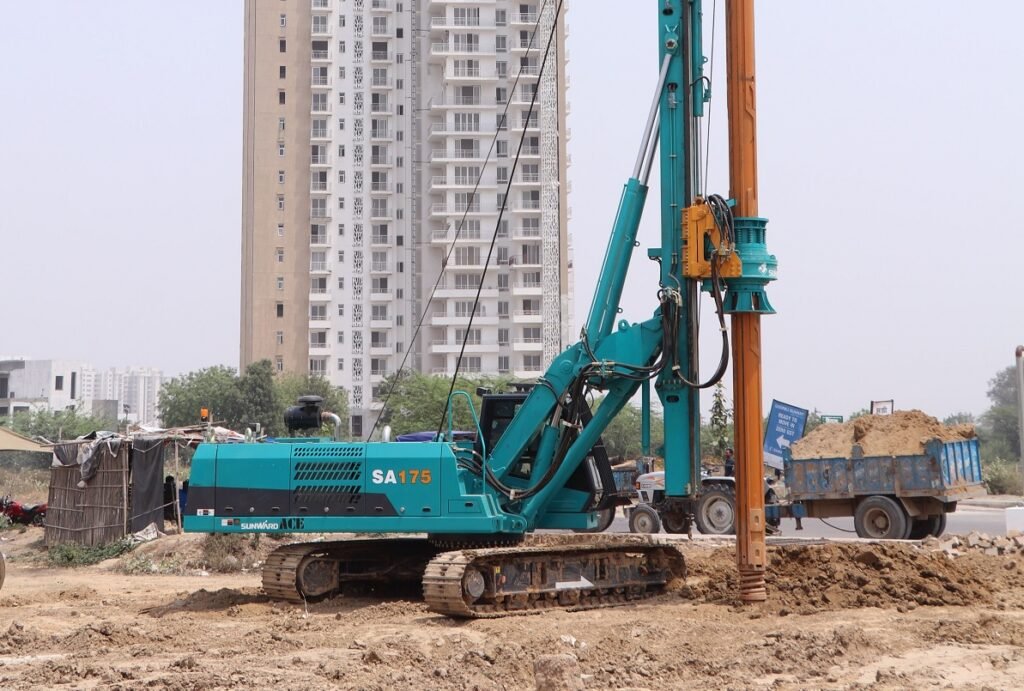
What a proper investigation covers
A real geotechnical investigation starts with boreholes positioned to suit the building footprint and loads, not just dropped at the corners for convenience. Standard penetration tests measure how dense and strong the soil is at depth. Samples go to a lab for classification, strength, and chemistry, and that chemistry matters here: sulphate and chloride content drives the concrete mix and the protection your foundations need. Groundwater levels get logged because they govern excavation, dewatering, and uplift on basements. The output is a report that translates all of this into design advice: what foundation type suits the site, what bearing capacity to use, how much settlement to expect, and what to do about the aggressive ground. A report that just lists numbers without telling the engineer what they mean has only done half the job.
Discovering a problem during investigation is a line in a report. Discovering it during construction stops the job.
The standards are not a suggestion
The Qatar Construction Specifications, the 2014 edition still in common use, set out requirements for site investigation, earthworks, and working over sabkha. They exist because the local conditions caught enough projects out to warrant codifying. Treating QCS as the floor rather than the ceiling is the right instinct. On a complex or heavily loaded structure, a good geotechnical engineer will go beyond the minimum sampling because the minimum was written for the average case, and averages are exactly what get you in trouble on variable ground.
What skipping it actually costs
The failures are predictable. Foundations designed on optimistic bearing values settle unevenly and crack the structure above. Basements designed without honest groundwater data flood or float. Concrete poured without knowing the sulphate load degrades years early. Each of these turns into redesign, rework, and delay, and the bill dwarfs what a thorough investigation would have cost at the start. There is also the schedule angle people forget. Discovering a problem during construction stops the job while everyone waits for a solution. Discovering it during investigation is just a line in a report that the designer works around before anyone breaks ground. Same problem, very different impact.
Get the ground right first
On Qatar projects, the ground is the part of the design you cannot see and cannot easily change once you have built on it. That is exactly why it deserves attention before anything else. Compass Arabia provides geotechnical investigation and soil testing across Qatar and the wider GCC, with reporting written for the people who have to design and build, not just file it. If you are planning a project, talk to us about the right scope of investigation before the foundation design is locked in. Our surveying services team can also handle the topographic and setting-out work that pairs with it.
Discuss your site investigation
Sources
Al Syed Construction: What Does a Soil Engineer Do in Construction in Qatar? https://alsyedconstruction.com/what-does-a-soil-engineer-do-in-construction-in-qatar/
QCS 2014 Qatar Construction Specifications, Section 12 (Earthworks / Site Investigation).
Geological and physiochemical characterisation of construction sands in Qatar (ResearchGate).