
As construction in the Gulf gets taller, deeper, and more ambitious, keeping structures stable and safe matters more than ever. Monitoring and deformation surveys track how buildings and ground respond to load, pressure, and time, catching movement early enough to act on it. Done well, they turn structural safety from a hope into something you can measure.
In this article
What monitoring and deformation surveys are
Monitoring and deformation surveys are specialised techniques that measure changes in the position, shape, or behaviour of structures and ground over time. By comparing precise measurements taken at intervals, they reveal even small movements long before they become visible. That early warning is the whole point: it lets engineers act on a trend rather than react to a failure.
Why they matter in the GCC
The region is building fast, with high-rise towers, transit systems, and giga-projects rising on ground that is often challenging. Large excavations, nearby construction, vibration, and variable soils can all cause movement in existing structures and new builds alike. Deformation monitoring is what keeps that movement in check, especially on sensitive sites where the consequences of a missed shift are serious. It is a safeguard that scales with the ambition of the project.
The point of monitoring is to act on a trend, not react to a failure.
How they are carried out
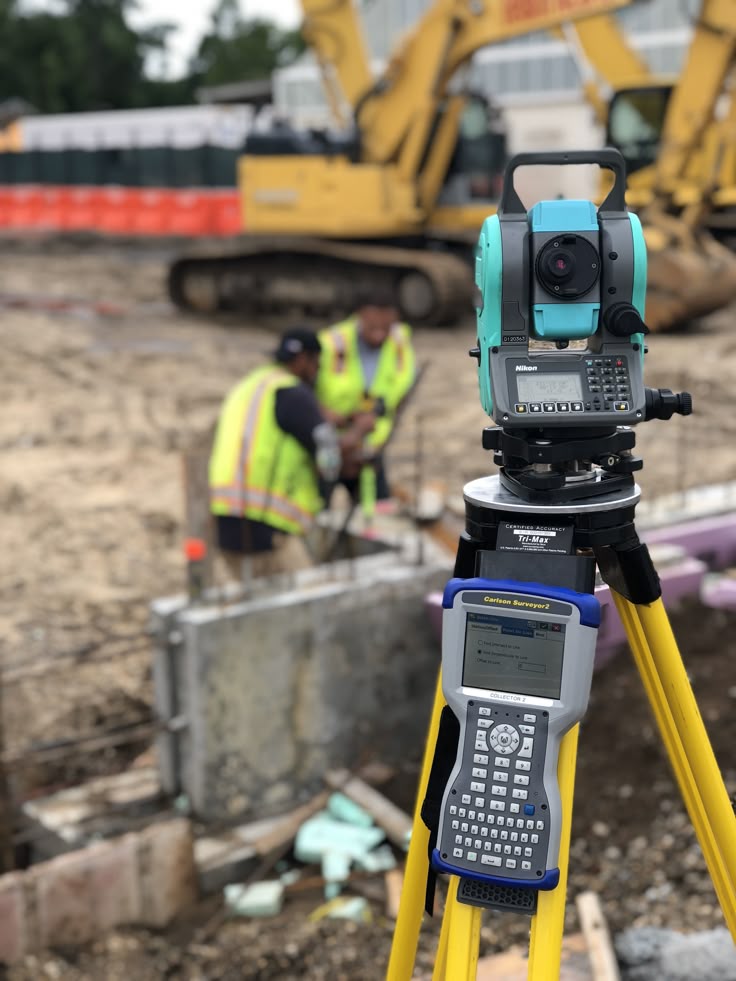
Accurate monitoring combines the right instruments with consistent method. Total stations and precise levels capture controlled measurements, precision sensors track movement continuously where needed, and digital monitoring systems log and compare readings over time so a trend stands out clearly. Because every site is different, the monitoring plan is tailored to the structure, the risk, and the surrounding works rather than copied from a template. The results often feed directly into structural assessment when a movement needs interpreting.
Where they are used
Monitoring and deformation surveys support a wide range of work: high-rise buildings in dense urban areas, road and bridge construction across the GCC, tunnels and deep excavations, port and coastal works, and sites with complex geotechnical conditions. In each case, the survey provides the objective data that keeps a project safe and accountable.
The benefits of monitoring early
Choosing proper monitoring brings reliable, early detection of structural change, lower cost by catching issues before they need major repair, better safety for people and property, and clear data that supports compliance with GCC and international standards. Compass Arabia combines current technology with experienced engineers and a tailored plan for each site, so clients in Saudi Arabia and Qatar can build ambitiously while keeping safety backed by precise data. Our surveying expertise is what turns continuous measurement into confidence.