 +974 7724 0272
 +966 50 204 4383
 +971 56 802 0406
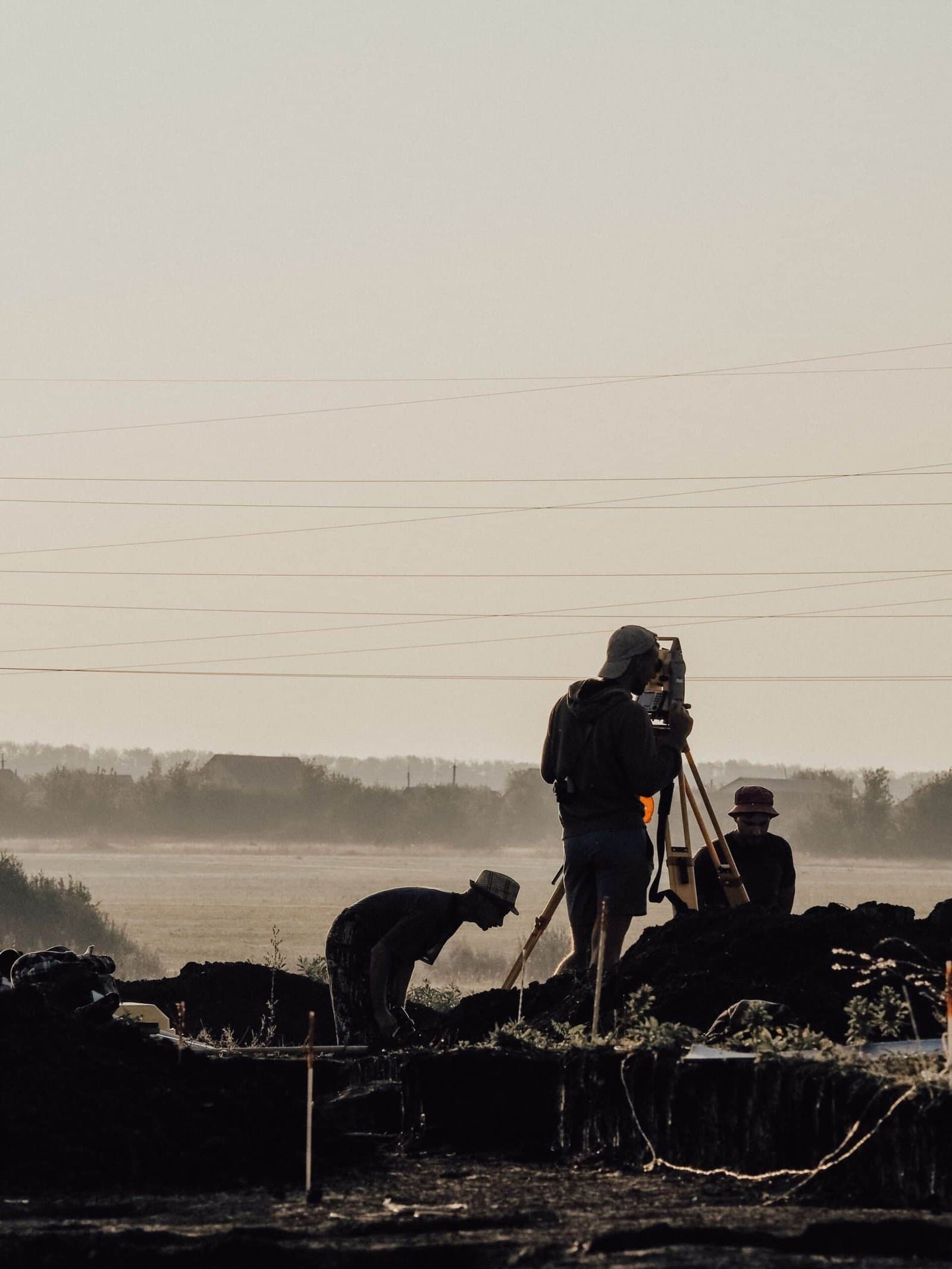
In the UAE, construction moves fast. Projects start quickly, deadlines are tight, and expectations are high, especially in cities like Dubai. The one thing many teams still underestimate is what sits beneath the surface. The ground decides which foundation you need, how much it costs, and whether the structure stays sound for decades. Before the first excavation, before materials arrive, before anything is built, soil testing has to come first.
The hidden risks many projects overlook
At first glance, a site can look perfect. Level ground, a prime location, ready to build. The real question is what lies below, and in the Gulf that answer is rarely simple. Near the coast you often find sabkha, a salt-rich ground that is weak and holds aggressive groundwater. Inland sites can hide loose sand, soft clay, or pockets that settle unevenly once a load sits on them. The water table is frequently high, which complicates excavation and basements. The groundwater itself often carries sulphates and chlorides that attack concrete and steel over the life of a building. None of this shows on the surface. Without a proper soil investigation, these conditions usually appear only after construction starts, which is the most expensive moment to find them. By then the foundation is being poured and the cheap options are already gone.
What a soil investigation actually involves
A soil investigation is more than one quick check. It usually starts with boreholes drilled across the site to bring up samples from different depths. In the field, a Standard Penetration Test measures how dense or firm each layer is as the drilling goes down. The samples then go to a laboratory, where they are tested for strength, moisture, particle size, and chemical content. That chemical testing matters in the Gulf more than almost anywhere, because the sulphate and chloride levels in the soil and groundwater decide which cement and which protection the foundation needs. For roads and pavements, a CBR test checks how the subgrade will carry traffic. For some structures, a plate load test confirms the bearing capacity directly on site. The number and depth of boreholes depend on the size of the building and how variable the ground looks, not on a fixed template, which is why a serious investigation is scoped to the project rather than copied from the last one.
How the results shape your foundation
The report that comes out of this work is what an engineer actually designs from. If the upper soil is strong enough, a shallow foundation may carry the building, which is the cheaper route. If the competent layer sits deep, the design moves to piles that transfer load further down to ground that can hold it. Where the soil is weak but piling would be overkill, ground improvement can stiffen it before building begins. The results also flag whether sulphate-resistant concrete, extra cover to the reinforcement, or waterproofing against a high water table are needed. Skipping the investigation does not remove any of these decisions. It just forces them to be made blind, or redone on site after a problem appears, which is slower and far more costly than getting the data first.
Why it is more than a cost saving
Many developers still treat soil testing as a box to tick. It is closer to a decision-making tool, and a thorough soil assessment in the UAE helps you:
- Choose the right foundation for the ground instead of guessing.
- Avoid redesign once construction is already under way.
- Prevent settlement and the structural cracks that follow it.
- Specify the right concrete and protection for aggressive ground.
At Compass Surveying and Geotechnical, the investigation is built to answer those questions with data rather than assumptions, so the project moves without nasty surprises. Our geotechnical and soil testing services are scoped around the decisions an engineer has to make, not just the paperwork.
Where it matters most in the UAE
Across the fast-developing parts of the UAE, soil testing earns its place on almost every kind of project:
- Villa and residential construction
- Commercial and high-rise buildings
- Road and infrastructure works
- Industrial and logistics developments
Every project, whatever its size, rests on what lies beneath. The taller or heavier the structure, the less room there is for a guess about the ground.
Skip soil testing and you inherit risk, delay, and cost. Do it, and you get clarity, safety, and assurance.
When to test and what you receive
The cheapest time to investigate is early, before the design is fixed. Results that arrive after the foundation layout is set often mean reworking it, and that rework lands on the critical path. A good geotechnical report gives you the soil profile at each borehole, the bearing capacity, the recommended foundation type and depth, the groundwater level, and the chemical findings with the protection they call for. It should read as clear guidance an engineer can build from, not a stack of raw numbers left open to interpretation. If a report leaves you still guessing about the foundation, it has not finished the job.
Final thought
In a competitive construction market like the UAE, mistakes are costly and avoidable. Soil testing is not just a technical step at the start of a job. It is the foundation of everything built on top of it. With professional support from Compass Surveying and Geotechnical, you do not just build, you build with confidence.