 +974 7724 0272
 +966 50 204 4383
 +971 56 802 0406
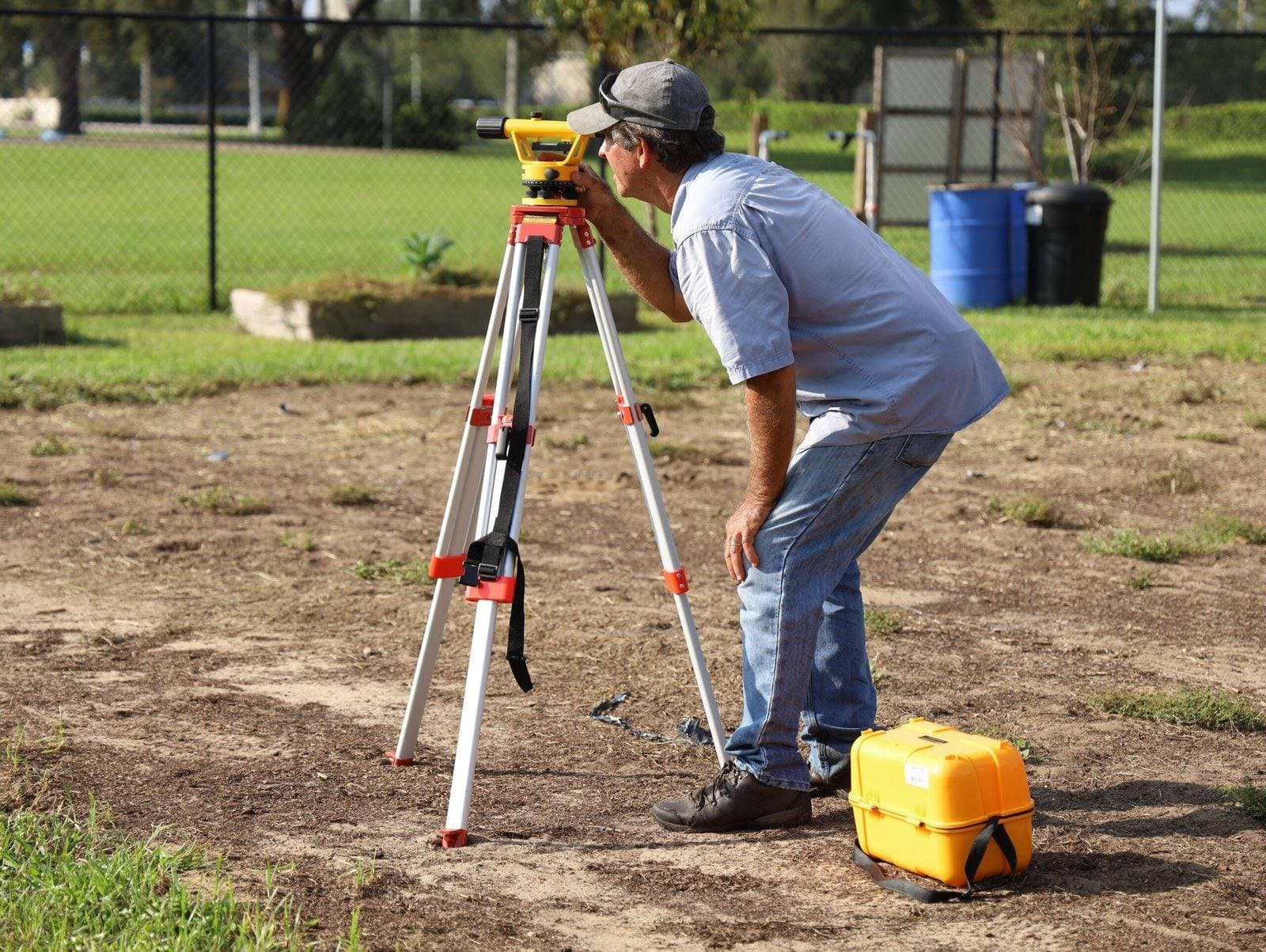
A property surveyor is the person who tells you what a building actually is, not what the listing photos suggest it is. Before you buy, sell, insure or renovate a property in Qatar, Saudi Arabia or the UAE, a proper survey is what separates an informed decision from an expensive guess.
What a Property Surveyor Actually Does
A property surveyor is not a real estate agent with a clipboard. The job is to inspect a building’s physical condition, measure it against its title boundaries, and put a professional opinion on paper that a bank, a buyer or a court will accept. That opinion covers the roof, the foundations, visible cracking, damp, drainage, and anything that could affect either safety or value.
Agents sell what a property could be worth. A surveyor tells you what it is worth, given what is actually there. The two roles get confused constantly, and that confusion is exactly what leaves buyers exposed when a villa or an apartment turns out to have problems nobody mentioned before completion.
The Main Types of Property Survey
Not every survey is the same document. A condition report is the lightest option: a quick read of obvious defects, useful for a newer building with no history of issues. A homebuyer’s survey sits in the middle, covering structure and services in enough depth to flag anything that needs a specialist look. A full building survey goes furthest: every accessible part of the structure, a breakdown of construction type and materials, and a detailed list of repairs ranked by urgency.
A structural assessment is a separate, more focused service, usually brought in when a full survey has already flagged cracking, movement or a suspected foundation issue and someone needs an engineer’s opinion on whether it is cosmetic or serious. Buyers sometimes ask for a valuation only, thinking it covers the same ground as a full building survey. It does not. A valuation exists to set a number for the bank; a survey exists to tell you what that number is actually buying.
How a Surveyor Reaches a Valuation
Property valuations are not a formula run on square footage alone. A qualified surveyor weighs location, plot size, build quality, age, current condition, and recent sales of comparable properties nearby. In fast-moving markets like Doha or Dubai, that comparable evidence needs to be recent, since a sale from two years ago can already be out of step with today’s asking prices.
Construction quality matters more in this region than many buyers expect. Two villas built the same year, on the same street, can carry very different valuations once a surveyor accounts for waterproofing standard, foundation type, and how the building has handled ground conditions since it went up. This is where a property valuation surveyor earns their fee: not by producing a single figure, but by showing the evidence behind it, so a buyer, seller or lender can see exactly why the property value of a home lands where it does.
When You Actually Need One in the Gulf
The obvious moment is before you buy. A pre-purchase survey catches problems while you still have room to renegotiate the price or walk away entirely. The second common moment is before a renovation or extension, where a house surveyor confirms what the existing structure can actually support before a contractor starts cutting into walls.
Off-plan handover is a third case that gets skipped far too often in this market. Buyers assume a brand new unit needs no inspection, then move in to find snagging issues that should have been raised with the developer before the keys changed hands. Insurance claims, boundary disputes with a neighbour, and mortgage refinancing are the remaining common triggers, each of which usually requires its own surveying services tailored to that specific purpose rather than a generic report.
Choosing the Right Property Surveyor
Credentials matter first. Ask what qualifies the surveyor to sign off on a report, and ask to see examples of past work on similar property types. A surveyor who mostly handles commercial towers is not automatically the right fit for a family villa, and the reverse is just as true.
Local experience matters just as much as the qualification itself. Ground conditions, common construction defects, and even standard building ages vary sharply between Doha, Riyadh and Dubai, and a surveyor who works across Qatar regularly will spot patterns that someone parachuted in for a single job will not. Ask directly how many similar surveys they have completed in your city this year. A vague answer is itself useful information.
A survey is only as good as the surveyor who signs it. The report matters less than who stands behind it.
None of this needs to be complicated. A property surveyor’s job is to look past the finish and tell you what is actually holding the building up, and what that means for the number on the contract. Get that report before you sign, not after.