 +974 7724 0272
 +966 50 204 4383
 +971 56 802 0406
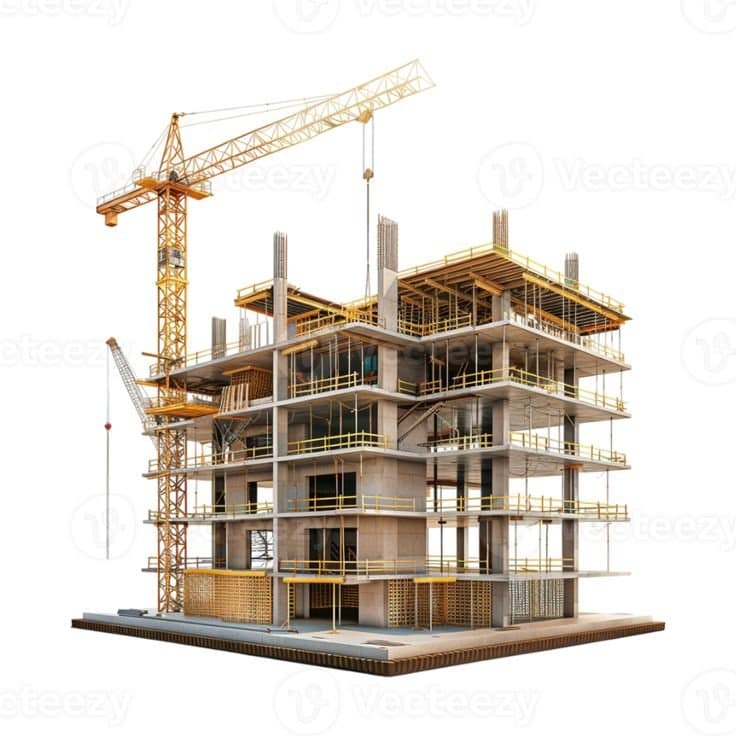
The construction sector in Saudi Arabia and Qatar is changing fast, and Building Information Modelling is one of the technologies driving it. BIM is more than a 3D model. It is a shared digital process that brings design, construction, and management onto one foundation, helping the teams behind infrastructure, towers, and commercial buildings cut cost, raise accuracy, and deliver better results.
What BIM is
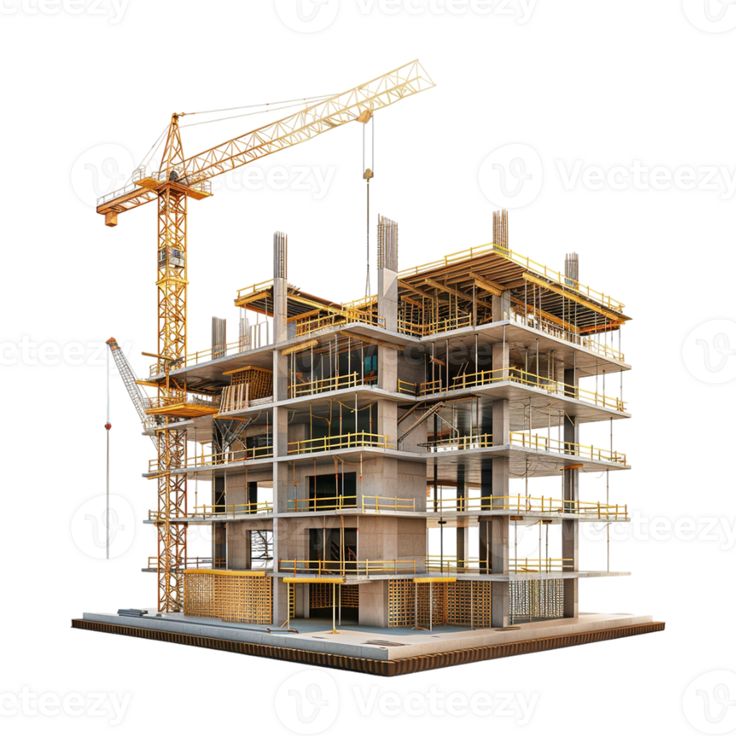
Building Information Modelling is the process of creating and maintaining a digital model of a building’s physical and functional characteristics. Unlike traditional methods, BIM combines geometry, spatial relationships, location data, and information about each building element into one coherent model. That model lets architects, engineers, contractors, and owners work together and make better decisions at every stage, from planning and design through construction and facility management.
Why BIM matters in Saudi Arabia and Qatar
The Gulf is investing heavily in infrastructure, smart cities, and sustainable building, which is exactly the environment where BIM proves its worth. On large programmes, from giga-projects in Saudi Arabia to major developments in Qatar, BIM keeps a huge number of moving parts coordinated. It supports sustainability goals through energy analysis, material optimisation, and waste reduction. And it protects budgets and timelines by catching clashes early and planning precisely, which cuts rework, delays, and cost overruns. As Saudi Arabia pursues its Vision 2030 ambitions and Qatar keeps expanding, BIM is increasingly expected rather than optional.
BIM is not just a 3D model. It is the single source of truth a complex project is built from.
The main benefits
Across project types, the gains are consistent:
- Better collaboration, with every discipline working on the same model.
- Higher accuracy through precise modelling and real-time clash detection.
- Lifecycle value, since the model supports operation, maintenance, and future changes.
- Smarter decisions from data-rich models that let teams test options quickly.
Together these reduce the errors and miscommunication that drive cost on large builds.
BIM and survey data
A BIM model is only as reliable as the data it is built on. Grounding it in accurate site information from 3D laser scanning and survey work means the model reflects the real site, not assumptions from old drawings. That is where scan-to-BIM and our BIM services come together, turning measured reality into a model the whole team can design and build from.
The future of BIM in the region
As Saudi Arabia advances its Vision 2030 projects and Qatar keeps developing its urban areas, BIM will sit at the centre of how modern infrastructure gets delivered. Governments and industry bodies are pushing its adoption to raise the bar on quality, safety, and efficiency, from smart-city developments to high-rise towers. Compass Arabia uses BIM to give clients faster, smarter, more accurate project outcomes, whether the work is a commercial development or a complex structure, so it is built with precision and quality from the first model to handover.